Source: https://blog.giallozafferano.it/cuochinprogress/crema-catalana/
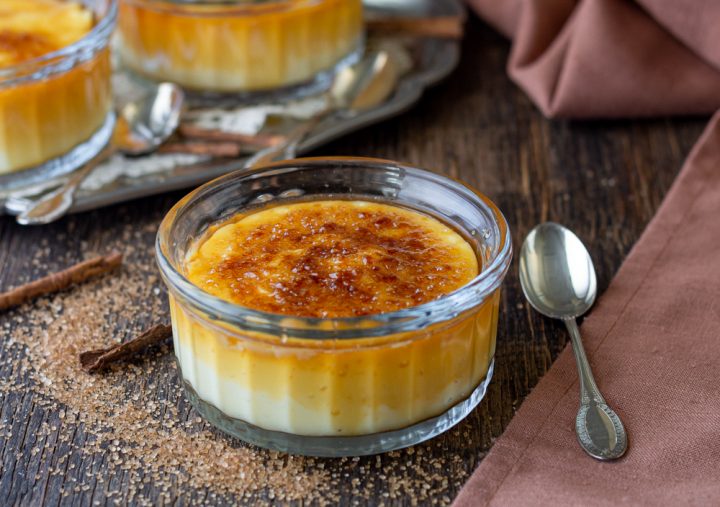
Crema Catalana is the Spanish version of crème brûlee, or as Catalans say, crème brûlee is the French version of crema catalana! Also known as Crema de Sant Josep, it was traditionally served on the 19th of March (Saint Joseph’s Day), but now consumed all-year. It’s historically significant because the earliest recipes appeared in Spanish cookbooks since the 17th century, and was served in medieval monasteries.
Source: https://www.bbc.com/news/world-europe-20345071
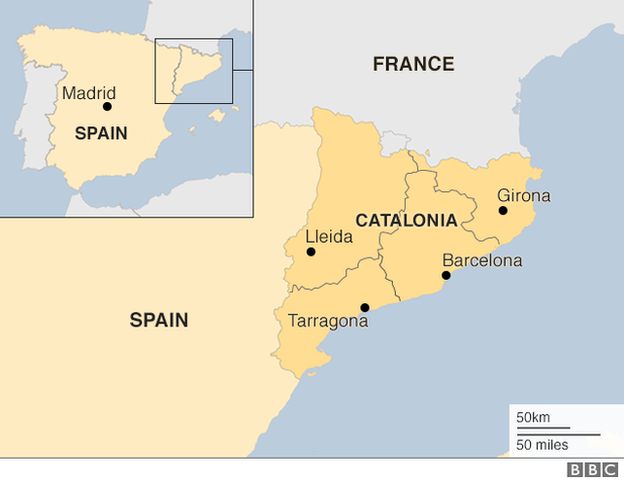
This dessert is common in Catalonia because this French bordering region has received many culinary influences from France. It’s a creamy custard with a burnt caramel crust. Similar variations include the English crème anglaise and French crème brûlee. Crème anglaise is composed of milk and cream, without flour or cornstarch, and doesn’t have a blowtorched crust since it’s usually served as a sauce, however, crema catalana is made with milk and cornstarch, whilst crème brûlee is made of cream and flour. Unlike crème brûlee, crema catalana is flavored with cinnamon—a predominant ingredient in Catalonia—and lemon zest, not vanilla. Appearance-wise, crema catalana is served similarly globally.
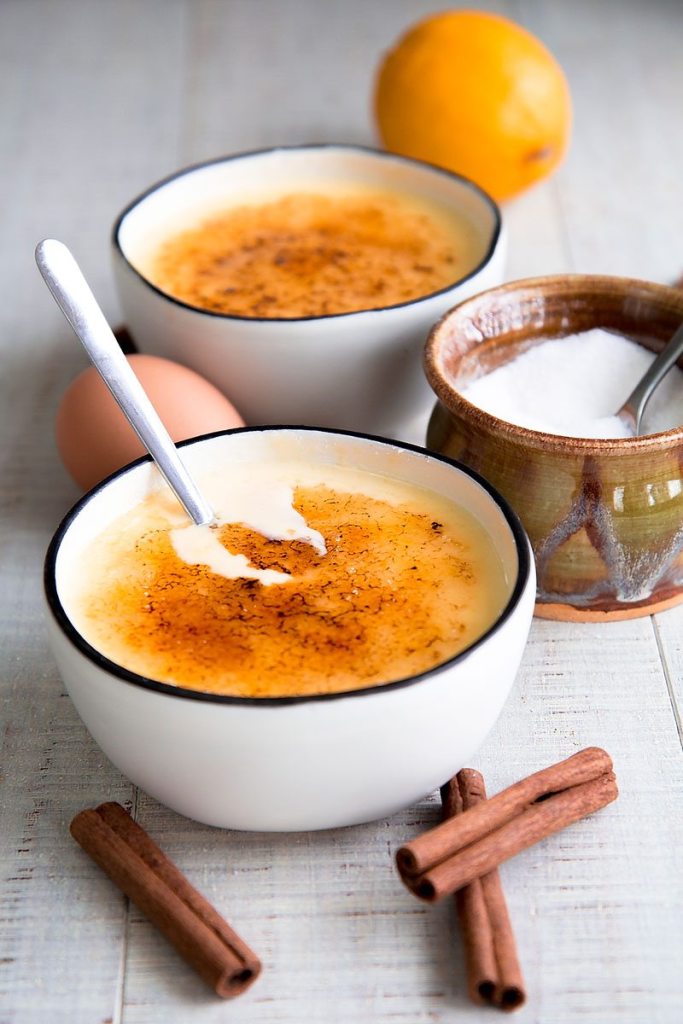
Figure 3: Spanish Crema Catalana 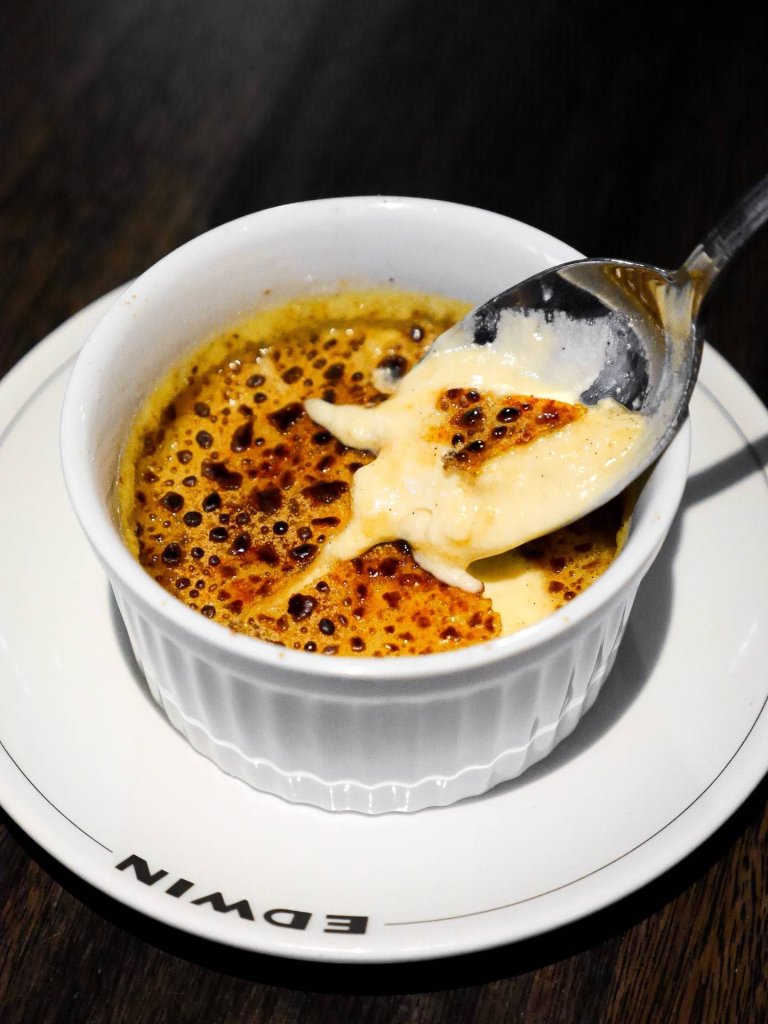
Figure 4: French Créme Brûlèe 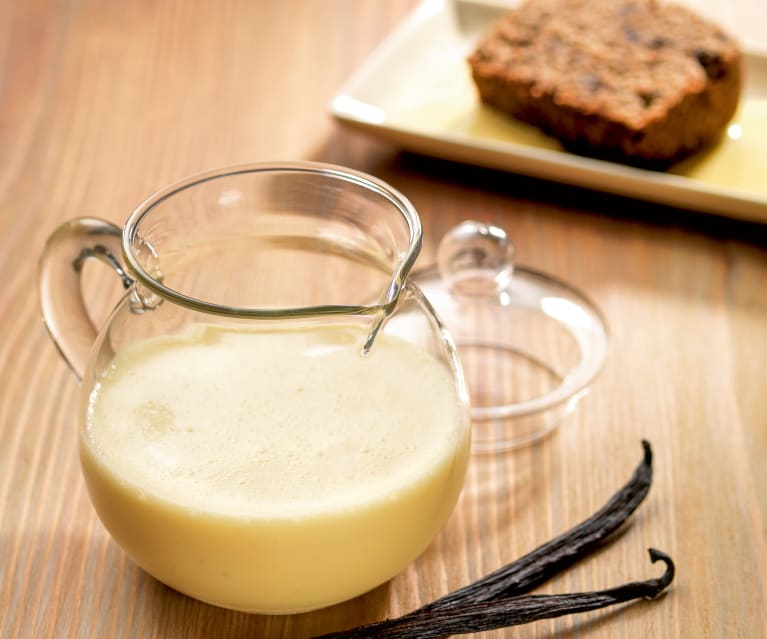
Figure 5: English Creme Anglaise
As introduced in the readings, the hegemony of French culture is influential on the culture of other European countries. This dessert is regionally significant and connected to Catalonia’s identity because it reflects Catalonia’s uniqueness, setting it apart from other Spanish regions. Catalonia is more influenced by the bordering France than other Spanish regions, resulting in many shared similarities (i.e. crème brûlee and crema catalana).
Before this subject, I wouldn’t understand why two nations would have such similar desserts. I might accuse one nation of stealing from the other due to lack of awareness of the history of French hegemony over Europe in the past.
 Sense of Food