“Haute Cuisine” is based on the story of Danièle Mazet-Delpeuch, whose cooking brought her from Périgord to the Elysée palace as the President’s chef. The French name—“Les Saveurs du palais”—translates to “The flavors of the palace/palette”. A foodie film is one where food is central to plot and narrative. This is a foodie film because the protagonist, Hortense, is a chef who expresses love and creates nostalgia through cooking. I loved scenes with desserts. Nothing beats French patisserie, so delicate…just like art!
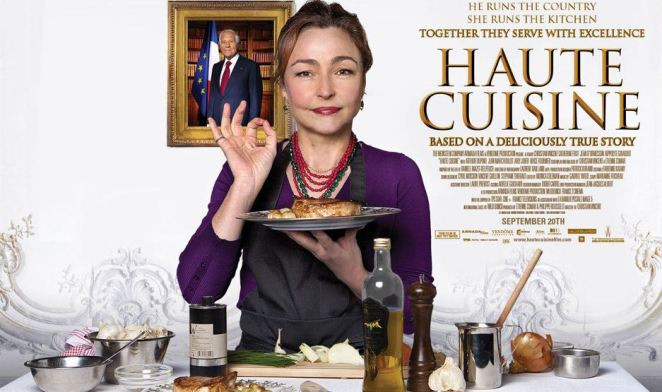
The movie portrayed various themes: food, gender, family, nostalgia, French identity, tension between regional and centralized cuisine, and hierarchy.
The main message was that nostalgic responses created by simple regional dishes can beat sophisticated centralized cooking. The President preferred Hortense’ cooking over the main kitchen’s because Hortense’ cooking resembled his grandmother’s.
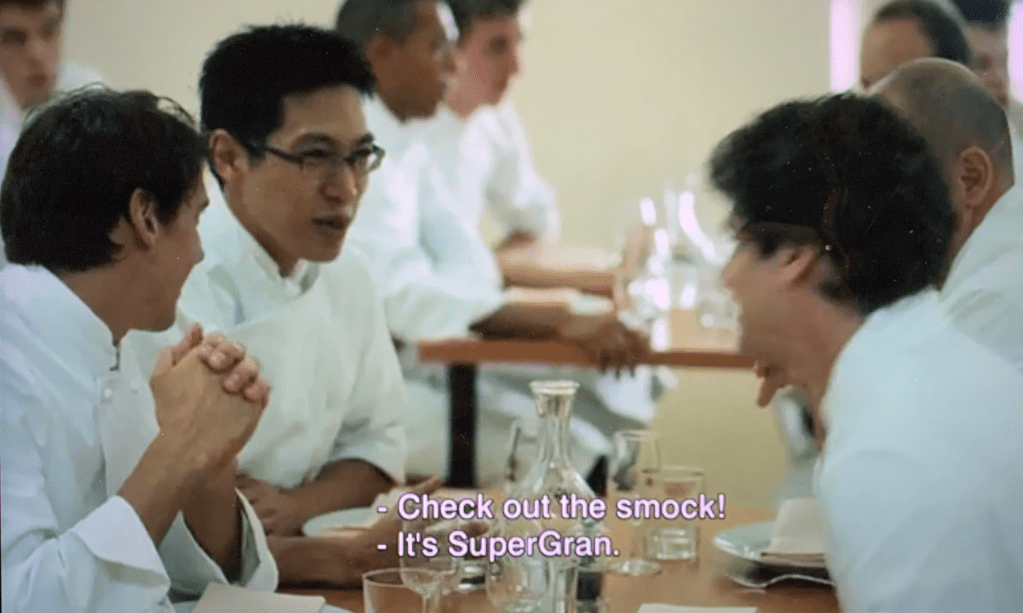
Gender-wise, Hortense was desexualized, being called “grandma” or “President’s mistress”. Male chefs were authoritative, reflecting traditional domestic roles of men as the one in power who cooked as a profession, whilst women cooked at home. However, Hortense gained power throughout the film, reflecting how this stereotype no longer applies to modern France.
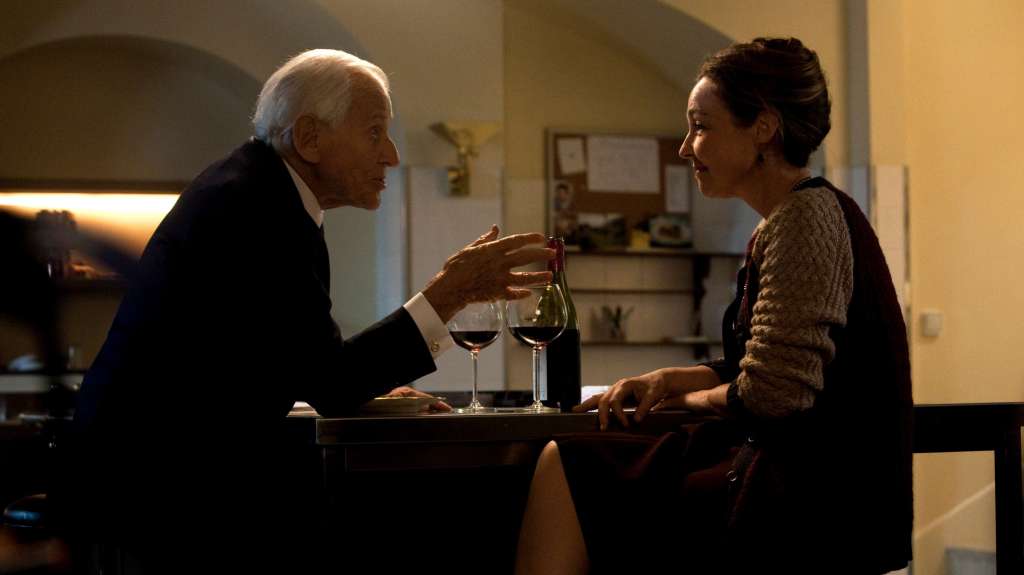
Hierarchy is important. The President, a figure of power, isn’t someone anyone could meet. Food allowed Hortense to transcend the hierarchy framework and meet the President. Food also brought the President down to the kitchen to meet Hortense.
This film relates to “Food & Memories” and Guy Grossi’s “Recipes From My Mother’s Kitchen”. Though the readings are about Italian cuisine, they all emphasized the nostalgic responses food invokes, just like this film.
This movie was very meaningful, involving many themes I’ve never considered before.
 Sense of Food