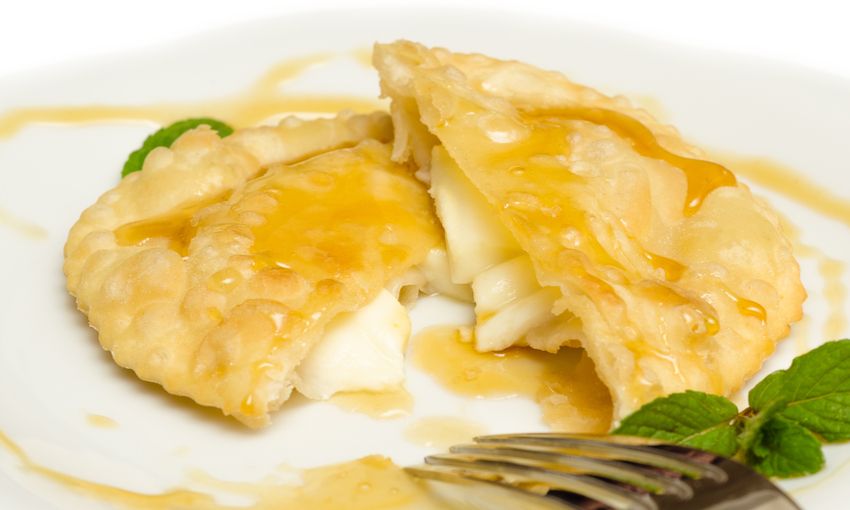
(Source: Il Giornale del Cibo)
Do you know any Sardinian desserts? Hint, it’s not sardine related. Sardinia is an Italian island in the Mediterranean Sea. They’re known for their dessert—seada. This pastry ties together sweet and savory flavors. Seadas are enclosed discs of thin semolina dough filled with lemon-infused pecorino, which are deep-fried and served with a drizzle of honey.
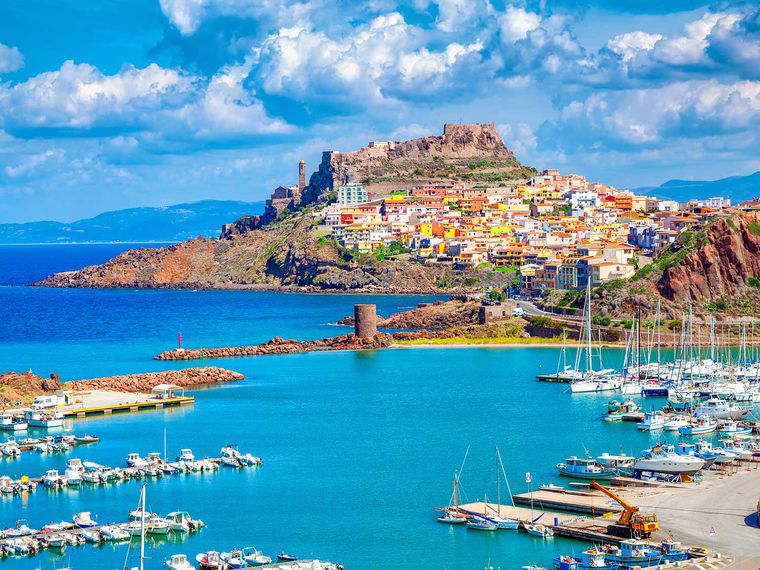
Figure 2: Sardinia
(Source: Islands)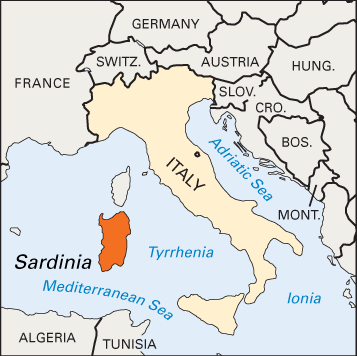
Figure 3: Map of Sardinia
(Source: Brittanica)
These were traditionally eaten during Easter and Christmas, but now available all-year. Though it’s now a snack/dessert, seada was traditionally considered a complete meal. I never would’ve understood how Italians ate so little if I hadn’t taken this subject. The lectures taught me Italy’s culinary history of deprivation. Seadas exemplify the point mentioned in the readings about the emphasis of Italian culinary on limited consumption. Despite being a sweettooth, I cannot imagine eating meals that only comprised of a single piece of pastry!
Sardinian cuisine is very diverse, with availability of foods from the land as well as the sea. Seadas originated from the center of Sardinia, where the fertile farmland led to the successful production of sheep’s milk cheese like pecorino. This dessert portrays how the center of Sardinia has long been the region’s core pastoral area where sheep’s milk cheese and honey played a big role in the history of cuisine.
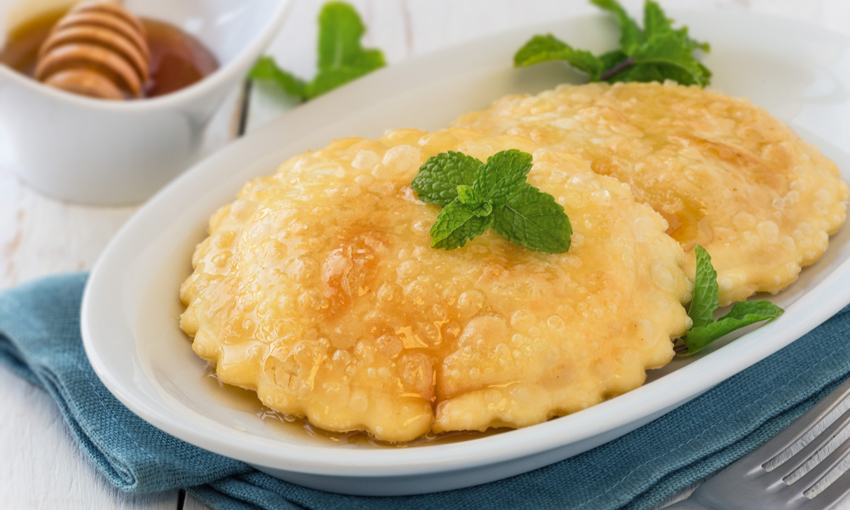
(Source: Il Giornale del Cibo)
Seadas found outside Sardinia are typically served and made the same way as in its region of origin. Slight variations may include the different types of honey used. Some say seadas go best with orange blossom or wildflower honey. Other variations include the substitution of pecorino with other types of cheese in areas where sheep’s dairy products are not consumed or are expensive.
 Sense of Food